Manus AI Alternatives for Ops Teams: 4 Agents Tested
Summary
Manus AI alternatives worth testing in 2026, for ops managers and engineers who write the reports that follow a bottleneck investigation, not just run the calculator. Skywork wins on cost and source-cited output for a capacity-investment case. Genspark is the closest all-purpose stand-in for Manus. Lindy AI earns its price once vendor or maintenance follow-up turns into recurring admin, and Gamma is for a report that is already written and just needs to look finished for a review meeting.
Manus AI alternatives matter the moment you are not the one running the calculator, you are the one writing up what it found. We tested four agents against that specific job, turning cycle-time, OEE, and throughput numbers into a report someone else will actually read, and Skywork wins on cost and source-cited output. Genspark comes closest to Manus's full range, Lindy AI earns its keep on recurring vendor admin, and Gamma is for a report you already wrote.
Why an ops team even looks past Manus
A line runs at 74% OEE (Overall Equipment Effectiveness, the share of planned production time that is genuinely productive) for three weeks straight, and the shift supervisor already knows which station is dragging it down. The harder part is not the number, it is the memo: pull the cycle-time data, cite where it came from, and get a capacity-investment case in front of a plant manager before the next production review. That second job, not the arithmetic, is where a general AI agent like Manus starts to matter for this reader.
Manus, now run by Meta after its 2026 acquisition, popularised the idea of an agent that plans a task, opens a real browser and terminal, and comes back with a finished file instead of a chat reply. For an ops analyst building a capacity case, that is a genuine time saving on the writing and research side. The friction shows up in two places. Credit consumption on a long research task is hard to predict before you start, the pricing page shows only a running counter, not a fixed number. And a single do-everything agent stops being the best fit the moment the work splits into distinct chunks: a sourced memo, a recurring vendor follow-up, or a quick deck for a review meeting each rewards something more specialised.
How we compared five agents for ops reporting
Each tool was checked against its own public pricing and product pages between June 28 and July 3, 2026. Where a pricing grid sat behind an account login, as with Genspark, we attribute the figures to independent third-party reporting rather than present them as our own confirmed numbers. We judged all five against the actual job: turning a bottleneck finding into a sourced report, a capacity-investment memo, or a kaizen-prep deck, not a generic productivity checklist. Security and data-handling claims are only stated when the vendor publishes them directly. None of these five tools is a calculator. They were tested purely as research and reporting instruments, the layer that sits on top of a throughput number, not underneath it.
Skywork: the pick for a sourced capacity case on a real budget
Skywork runs seven specialised workspace agents (documents, slides, sheets, images, video, podcasts) rather than one continuous loop. The one that matters here is Deep Research slide mode: it pulls from sources like Google Scholar and Wikipedia and cites them, so a capacity-investment deck reads like it was actually researched, not improvised the night before a review meeting. Entry pricing undercuts everything else on this list, with a free tier and a Pro plan around twelve to sixteen dollars a month, which matters when the tool is charged to a cost center, not a revenue line.
For the reader who just measured a poor PCE (Process Cycle Efficiency, the share of total lead time spent actually adding value) and needs to explain where the waste is going, that combination, cited sourcing plus a low entry price, is the practical win. Layer Splitting, its image-editing feature, is a genuine extra if the deliverable includes an editable capacity chart or a value-stream diagram. Skip Skywork if what you actually need is autonomous browsing that finishes a multi-step research task on its own, that is Manus's job, not this one. Website generation here is also MVP-quality at best, and mostly beside the point for an internal report.
Genspark: the closest all-purpose stand-in for Manus
Genspark markets itself as an all-in-one workspace built around a no-code Super Agent that browses, places calls, and drafts slides, sheets, docs, images, and code from a single prompt. Of the four alternatives here, it covers the broadest range in one login, which makes it the nearest functional match to what Manus does across research, drafting, and light automation. Office-suite plugins for Word, Excel, and PowerPoint cut export friction for anyone who needs the output in a format a plant manager or procurement lead already opens by default.
The catch is that Genspark's official pricing grid sits behind an account login, so budgeting for a pilot means relying on third-party reports rather than a public rate card. Breadth also has a cost: no single tool inside Genspark goes as deep as a specialist would on any one deliverable, whether that is a research memo or a formatted deck.
Manus AI, the agent everything else here gets compared to
Manus is still a strong default if the job really is solo, end to end: research a fix across several sources, then hand back a finished file without babysitting each step. Wide Research mode, which fans a single brief out across many parallel sub-agents, is one capability nothing else on this list fully replicates. The credit-based pricing is the real trade-off: a long, multi-source research task can burn through a monthly allowance faster than expected, and there is no fixed price list to plan against, only the animated counter on the pricing page.
Lindy AI: built for the follow-up, not the research
Lindy is a no-code agent aimed at recurring admin: inbox triage, meeting scheduling, and follow-ups, reachable over iMessage and SMS as well as a web app. It is not trying to replace a research agent. Once the capacity-investment memo is written and the actual bottleneck becomes the back-and-forth with a maintenance contractor or an equipment vendor about lead times and quotes, that is where Lindy earns its entry price of $49.99 a month, steep for anyone using it only during one kaizen event rather than daily.
Gamma: when the numbers are already crunched and it just needs to look finished
Gamma turns a prompt or an outline into a presentable deck, document, or simple one-pager in minutes, with a card-based editor that needs no design background. It is not an agent: it will not pull cycle-time data or research a contractor for you. Skip it if the report has not been written yet. Use it the moment it has, and just needs the OEE trend line or the capacity case to look like something a plant manager will actually open before the review meeting starts.
What the AI badge on the calculator still does that none of these five agents do
Every one of these agents is a general-purpose research or drafting tool bolted onto whatever data you paste in. The AI verdict inside a bottleneck calculator does something narrower and, for the core calculation itself, more reliable: it reads the throughput and cycle-time result the instant you enter it and translates the math (Throughput = WIP / Cycle Time is the one-line version of Little's Law) into a plain verdict about where the poste limitant, the station that caps the whole line's output, actually sits. None of Manus, Genspark, Skywork, Lindy AI, or Gamma will run that calculation for you. What they can do well is take the write-up that follows off your plate: the sourced memo, the follow-up emails, the deck, once the number itself is already in hand.
Should an ops team replace Manus, or just add to it?
Our honest read: most readers doing this kind of work do not need to replace Manus outright. If cost and sourced output matter more than raw autonomy, which is the case for most internal ops reporting, Skywork is where we would spend first. Genspark is the fallback if you want one login instead of two. Add Lindy AI only once vendor or maintenance admin, not research, is the actual time sink, and reach for Gamma purely for the final polish before a review meeting. None of these five tools will find your bottleneck for you. What they can do is take the reporting grind off your plate once your own calculation already told you where to look.
At-a-glance
| Skywork | Genspark | Gamma | Lindy AI | |
|---|---|---|---|---|
| Entry price | Free tier with limited generations; Pro ~$12-16/month (code BEYROUTI cuts 20%) | Free tier (~100-200 credits/day reported); paid plans reported from ~$19.99/mo up to ~$200/mo for heavy use | Free plan (10 cards per prompt); Plus ~$8-9/month, Pro ~$19/month | No ongoing free tier beyond a 7-day trial; Plus $49.99/month |
| How it executes | Seven specialised workspace agents (docs, slides, sheets, images) run per task, not one open-ended loop | No-code Super Agent: browses, drafts docs/slides/sheets, writes code from one prompt | Prompt-to-deck generator that drafts and formats; does not browse or pull data on its own | No-code workflow agent watching triggers (inbox, calendar) and acting with human approval |
| Typical deliverable for an ops team | Source-cited slides or a document (Deep Research mode) for a bottleneck-investigation case | Slides, sheets, and docs assembled from live web research, exported via Office plugins | A polished one-pager or deck built from an OEE or throughput outline you already wrote | Drafted follow-up emails and calendar holds with a vendor or maintenance contractor, not a finished report |
| Handling of production data you paste in | No published SOC 2 or HIPAA compliance page at review time | Data practices are not documented without creating an account first | SOC 2 Type II compliant organisation, published and independently checkable | HIPAA with a signed BAA, SSO, SCIM, and audit logs, but only on the Enterprise tier |
| Reach for it when | You need a fast, source-backed capacity case or kaizen-prep deck on a real cost-center budget | You want the closest single-login stand-in for Manus across research and drafting | The report is already written and just needs to look finished for a leadership review | Vendor or maintenance follow-up has turned into a recurring back-and-forth that needs ongoing admin |
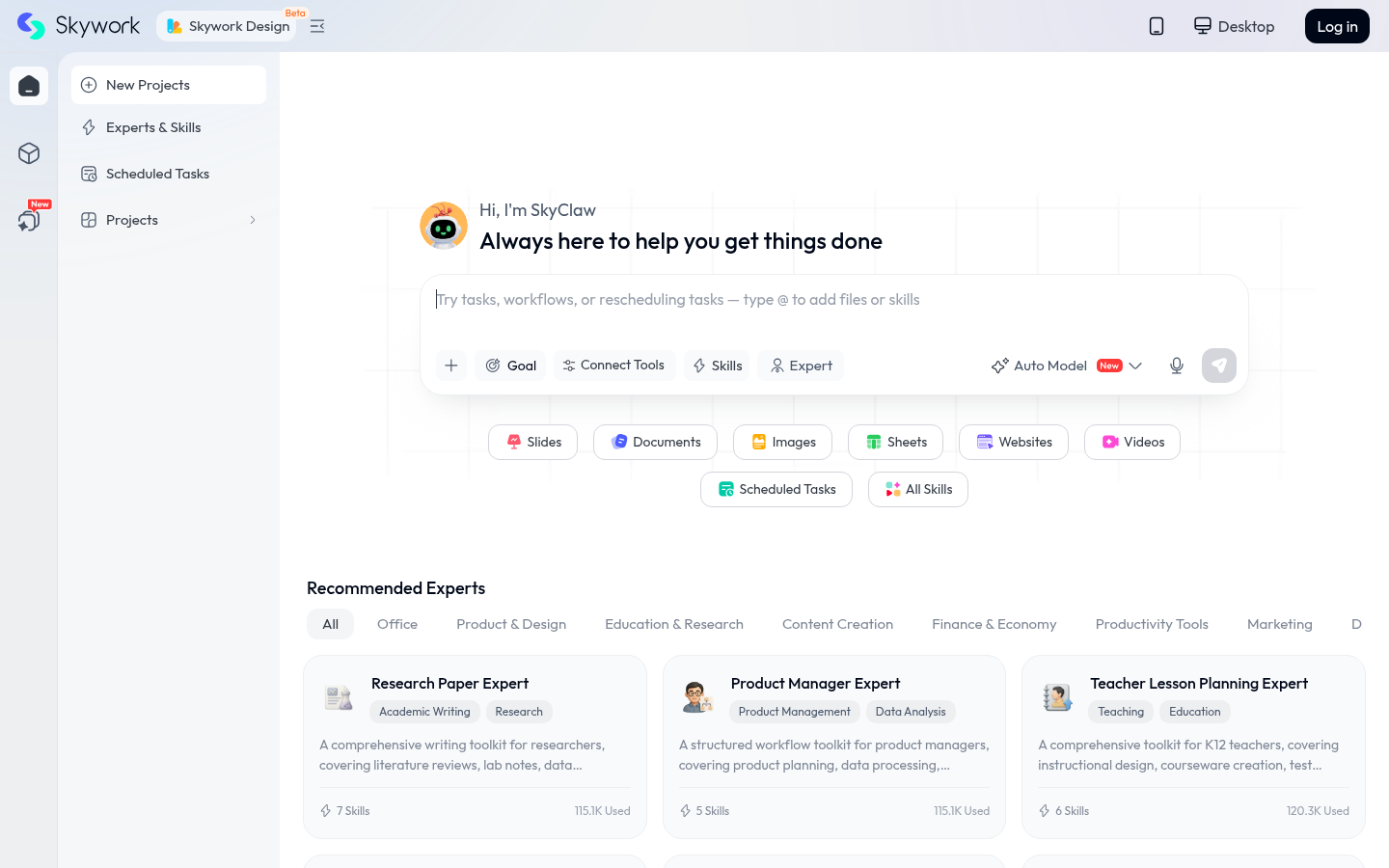
Skywork
- Deep Research slide mode cites real sources instead of presenting invented supporting data
- Seven specialised agents cover documents, slides, sheets, and images from the same production dataset
- Entry pricing undercuts every other agent on this list, which matters for a cost center, not a profit center
- Layer Splitting keeps chart and diagram elements editable after the AI drafts a capacity chart
- Not built for open-ended autonomous browsing the way Manus is
- Website generation is MVP-quality at best, which is irrelevant for an internal ops report anyway
Our pick for turning calculator output and floor data into a sourced case leadership can act on.
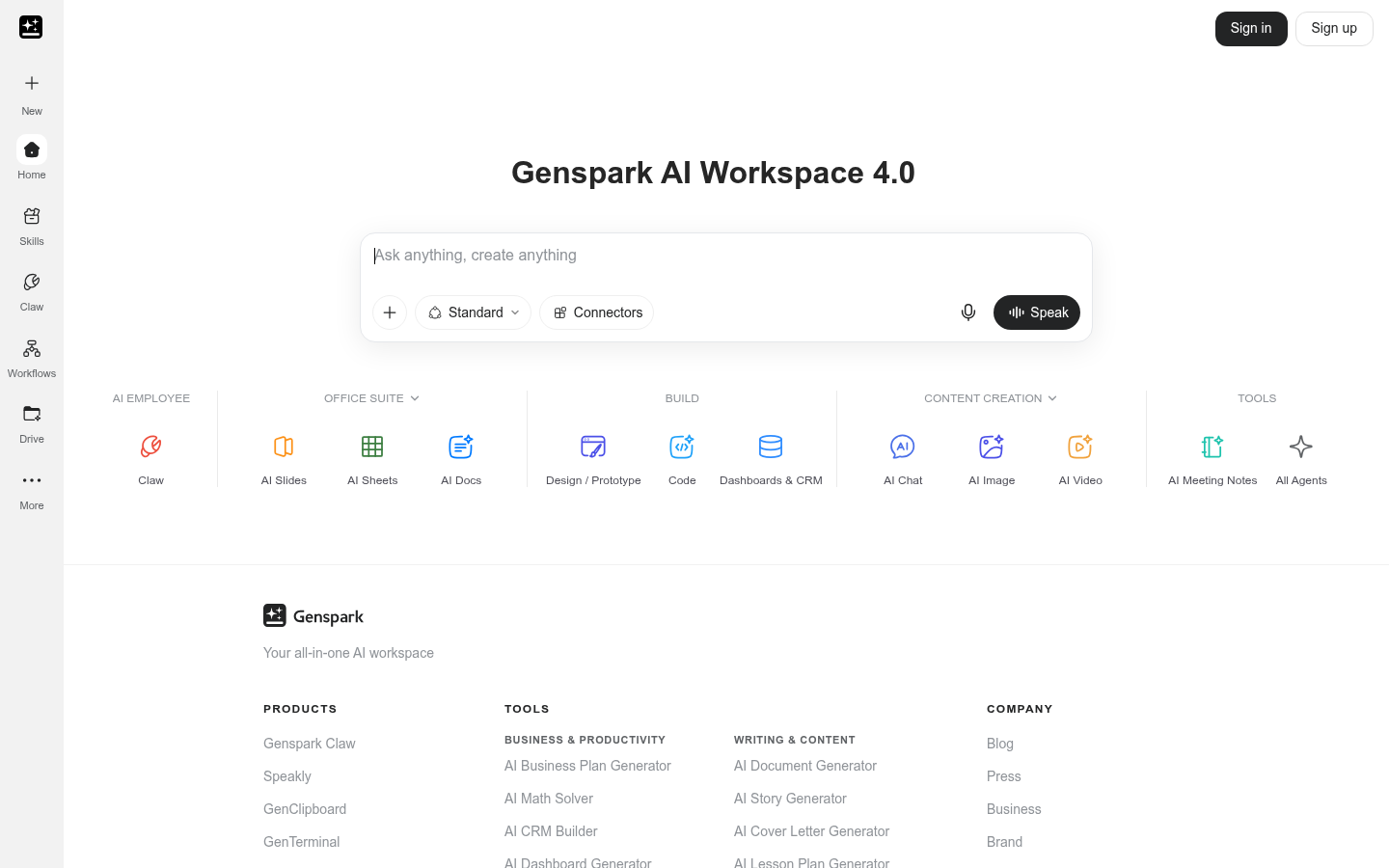
Genspark
- Broadest single-login task range: web research, drafting docs, sheets, and slides, writing code
- No-code Super Agent needs less manual setup than a dedicated report-builder tool
- Office-suite plugins export straight to Word, Excel, and PowerPoint, formats most plant leadership decks already use
- Official pricing sits behind an account login, which complicates budgeting a pilot for a cost center
- Breadth trades off some depth against a specialist tool for any single deliverable
The closest all-purpose stand-in for Manus, login-gated pricing aside.
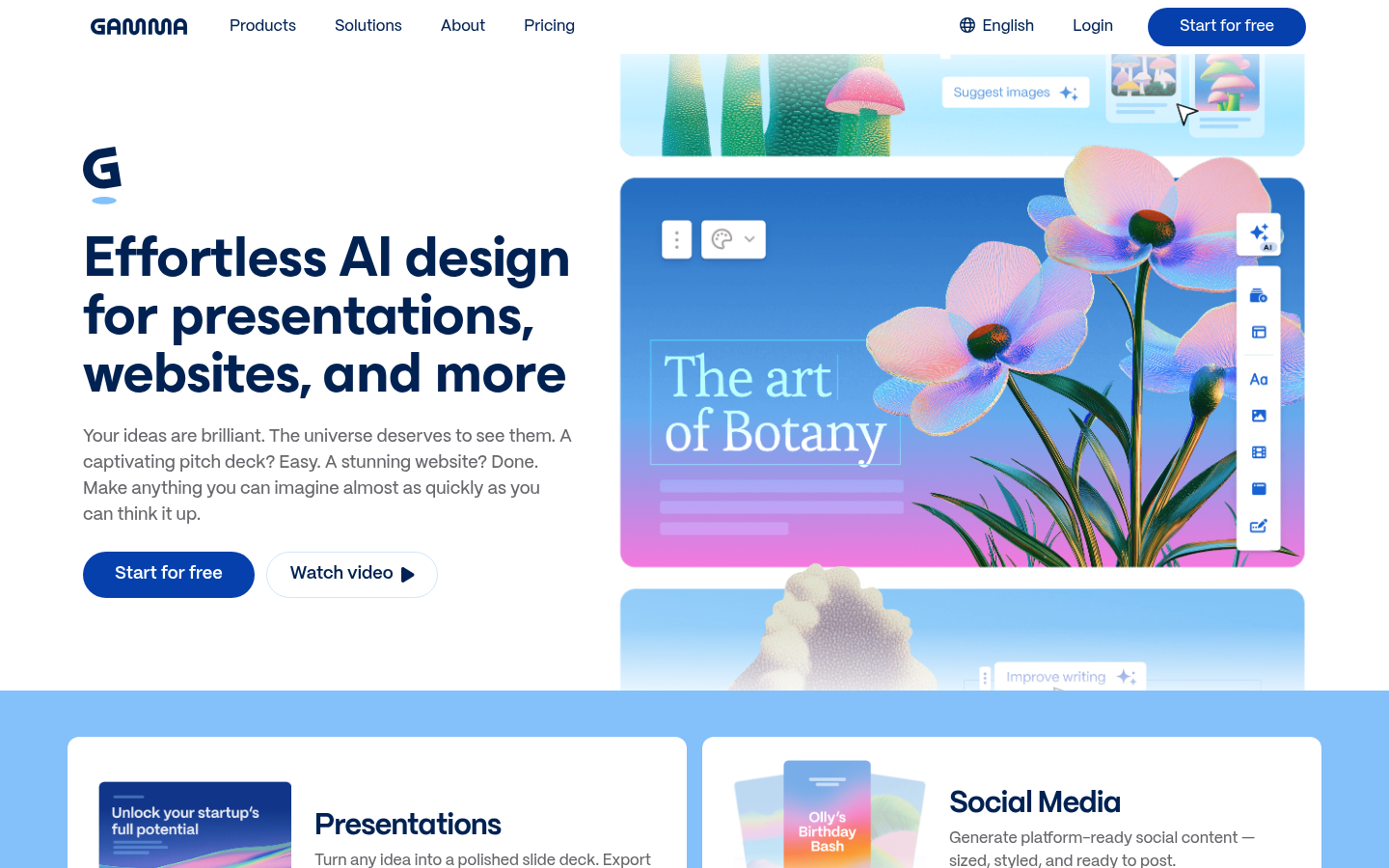
Gamma
- Fastest path from a rough outline to a presentable deck or one-pager
- Card-based editor needs no design background to make an OEE chart look finished
- SOC 2 Type II compliance is published, which matters when the deck includes production data
- Not an agent: it will not pull cycle-time data or research a vendor for you
- Free tier's one-time credit allowance runs out quickly if you build one deck per shift
Best once the numbers are already crunched and just need to look finished for a review meeting.
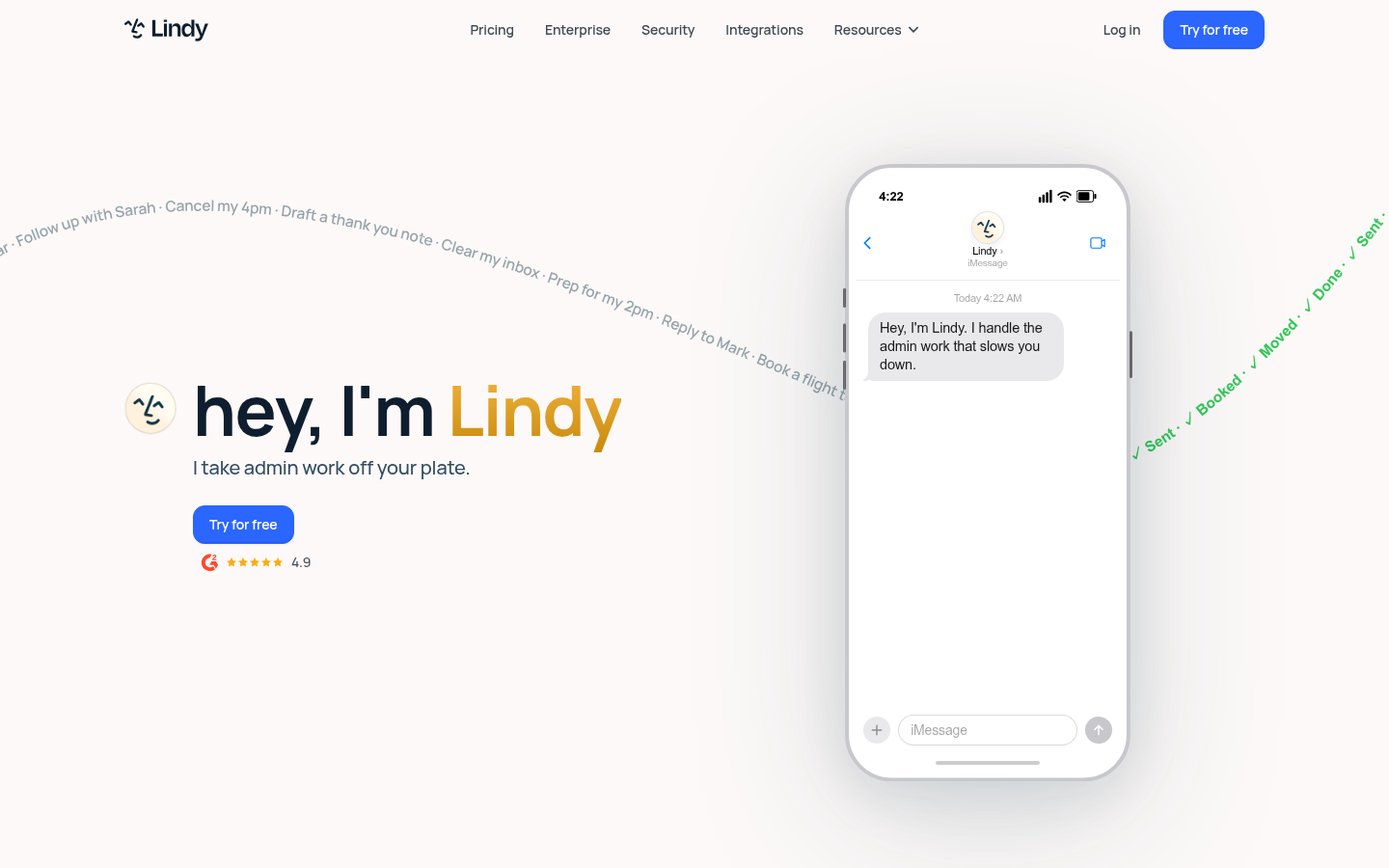
Lindy AI
- Purpose-built for recurring admin: inbox triage, meeting scheduling, and follow-ups
- Reachable over iMessage and SMS, so a shift supervisor is not forced into a new app habit
- Enterprise tier adds HIPAA, SSO, and audit logging, relevant for regulated plants
- Narrower scope than a research agent: it will not draft a capacity-investment memo for you
- Entry price of $49.99 a month is steep for a tool only needed during a kaizen event
Worth it once the bottleneck fix stalls on email back-and-forth, not on the analysis itself.
Verdict
Skywork earns the recommendation for ops teams doing this work on a real cost-center budget: its Deep Research slide mode cites sources instead of inventing them, and its entry price beats the rest of this list. Genspark is the better all-purpose stand-in for Manus if login-gated pricing does not bother you. Reach for Lindy AI once the actual bottleneck is vendor or maintenance follow-up, not the research itself, and use Gamma once the report is already written and just needs to look finished.
How we tested
Each tool was checked against its own public pricing and product pages between June 28 and July 3, 2026. Where a pricing grid required an account login, as with Genspark, the figures are attributed to independent third-party reporting rather than presented as our own confirmed numbers. We judged all five against the job an ops analyst or engineer actually does after running a bottleneck calculation: turning cycle-time, OEE, or throughput data into a sourced report, a capacity-investment memo, or a kaizen-prep deck, not a generic office-productivity checklist. Security and data-handling claims are stated only when the vendor publishes them directly. None of these five agents replace the calculation itself; they were tested purely on the reporting and research work that follows it.